
Key Takeaways
The Modern Content Strategy for Ecommerce Brands

Content has become one of the most important competitive advantages in modern ecommerce. The brands growing fastest today are rarely relying on a single viral advert or occasional campaign launch. Instead, they operate structured content systems designed to consistently generate attention, engagement and conversions across multiple channels.
This shift has changed the role of ecommerce marketing entirely. A modern content strategy for ecommerce is no longer just about maintaining an Instagram page or publishing occasional blog posts. It now influences almost every stage of the customer journey, including product discovery, paid advertising performance, conversion rates, retention and customer lifetime value.
At the centre of this shift is ecommerce video. Short-form video content now dominates consumer attention across platforms like TikTok, Meta and YouTube. Consumers increasingly expect to see products demonstrated visually before making purchasing decisions, particularly within mobile-first ecommerce environments.
As competition has intensified, many brands have responded by simply producing more content. The problem is that volume alone does not create results. Without strategy, positioning and structured creative testing, ecommerce businesses often end up creating large amounts of content that fails to generate meaningful commercial impact.
Why Most Ecommerce Content Strategies Fail
Many ecommerce brands confuse consistency with strategy. Posting every day may increase output, but it does not automatically improve performance. One of the biggest reasons ecommerce content marketing fails is because brands publish content reactively rather than building a structured system around customer acquisition and retention.
This often leads to random posting behaviour. A business uploads a product photo one day, a motivational quote the next and then disappears for several days before launching another sales post. There is little consistency in messaging, creative style or funnel positioning. More importantly, there is no clear feedback loop connecting content performance back into future production decisions.
Strong ecommerce content strategies are built around defined objectives. Different types of content should exist to achieve different commercial outcomes, including:
Without this structure, content quickly becomes generic branding noise.
Another major issue is that many businesses still rely too heavily on traditional “branding content” without adapting to how modern platforms actually distribute media. Highly polished campaigns still have value, but they often underperform against faster, more authentic creator-style content that feels native to the platform.
This shift has been accelerated heavily by short-form video. Consumers now spend large portions of their day scrolling through fast-moving feeds where attention is extremely limited. As a result, ecommerce video content must compete not only against other brands, but against entertainment itself.
This has dramatically changed ecommerce advertising economics. Rising competition across paid social platforms has pushed CPMs and customer acquisition costs significantly higher over recent years. Brands are therefore paying more simply to reach audiences that are simultaneously becoming harder to engage.
Creative fatigue has become a major consequence of this environment. Audiences quickly become desensitised to repetitive ads, resulting in declining engagement and weaker conversion performance over time. Even strong-performing creatives can deteriorate rapidly once frequency increases.
To combat this, modern ecommerce brands increasingly prioritise:
This is one reason why ecommerce video strategies now play such a central role in growth. Video allows brands to test messaging, creators, hooks and product angles far more dynamically than static creative formats.
Paid social platforms have effectively transformed ecommerce brands into media companies. Businesses capable of consistently producing engaging content now hold a significant advantage over competitors relying on occasional campaigns or static creative libraries.
The strongest ecommerce brands therefore treat content production as an operational system rather than a marketing side project. They analyse creative performance continuously, identify winning formats quickly and build workflows designed to sustain content output at scale.
What Modern Ecommerce Content Actually Looks Like
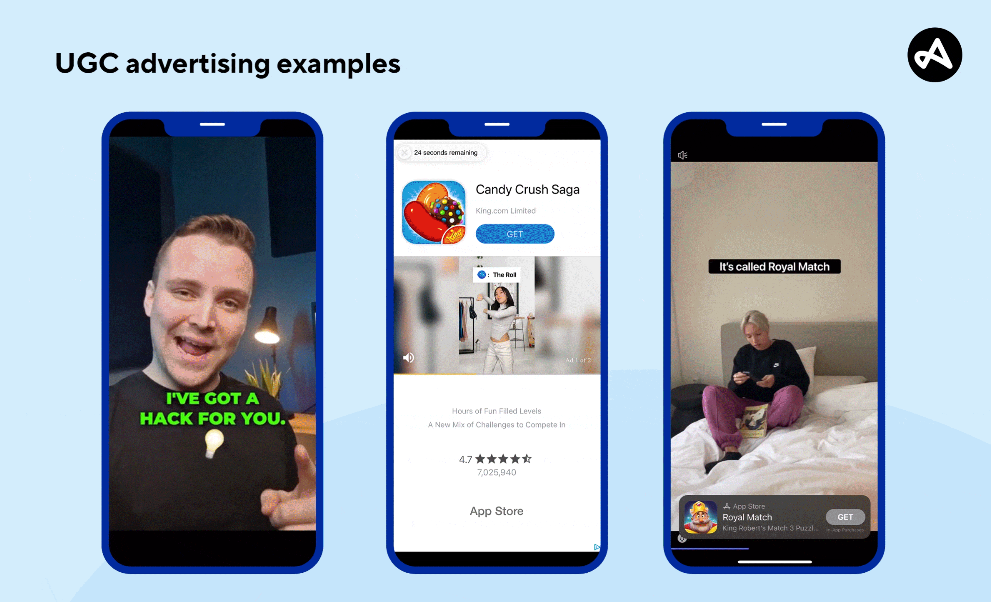
One of the biggest misconceptions in ecommerce marketing is that good content simply means visually attractive content. In reality, modern ecommerce content is judged primarily on performance. The strongest brands today create content designed to achieve specific commercial objectives rather than simply filling social feeds.
This is especially important within paid social advertising, where algorithms increasingly reward engagement, watch time and conversion signals rather than polished production quality alone. A simple creator video filmed naturally in a kitchen or bedroom can often outperform an expensive studio campaign because it feels more authentic and platform-native.
Modern content strategy for ecommerce therefore revolves around variety. Different forms of content serve different purposes throughout the customer journey. Brands relying on only one style of creative often struggle with audience fatigue, declining engagement and inconsistent acquisition performance.
Performance Content
Performance content is designed specifically to drive measurable outcomes such as clicks, conversions, purchases or email signups. This type of ecommerce video content is typically built around strong hooks, fast pacing and direct messaging.
Unlike traditional branding campaigns, performance creative prioritises response over aesthetics. The opening seconds are critical because users make instant decisions about whether to continue watching. High-performing ecommerce brands therefore spend significant time testing:
This style of content dominates platforms like Meta and TikTok because the algorithms reward engagement and retention behaviour heavily.
UGC Content
User-generated content has become one of the most effective forms of ecommerce advertising over the last few years. Consumers are increasingly sceptical of polished advertising, while creator-style content often feels more trustworthy and relatable.
Strong UGC content usually focuses on real product experiences rather than aggressive selling. Instead of presenting the product like a commercial, creators often frame it through:
This style of ecommerce video integrates naturally into short-form feeds, making it particularly effective for customer acquisition campaigns.
Many ecommerce brands now build entire content systems around sourcing creators and continuously testing new UGC variations. The goal is not simply authenticity. It is scalability. Brands capable of generating fresh creator content consistently can often sustain stronger ad performance for longer periods.
Founder-Led Content
Founder-led content has grown rapidly because consumers increasingly want to buy from people rather than faceless businesses. Founders who appear regularly within content often create stronger emotional connection, trust and brand differentiation.
This is particularly effective for challenger brands and founder-driven ecommerce businesses where storytelling plays a major role in positioning. Founder-led ecommerce content can include:
This type of content also tends to perform strongly organically because audiences engage more naturally with human personalities than static branded assets.
From a strategic perspective, founder-led content is often highly efficient because it combines branding, trust-building and customer acquisition within the same media format.
Educational Content
Educational content has become increasingly valuable as ecommerce competition rises. Modern consumers often research extensively before purchasing products, especially within competitive or technical sectors.
Educational ecommerce content helps brands position themselves as credible authorities while simultaneously increasing search visibility and engagement. This can include:
Educational content also performs strongly across multiple channels simultaneously. A single long-form video can often be repurposed into:
This creates significantly greater content efficiency over time.
Product Demonstration Content
Product demonstration content remains one of the most important components of modern ecommerce video strategy. Consumers want to understand how products look, function and fit into real-life situations before purchasing.
Strong product demonstrations reduce friction by answering questions visually rather than relying entirely on written descriptions. This is especially important on mobile devices where users tend to skim text quickly.
Effective product demonstration content often focuses on:
The best ecommerce brands usually capture large amounts of demonstration footage during content production sessions because these assets can later be reused across ads, landing pages, emails and organic social content.
Retention and Lifecycle Content
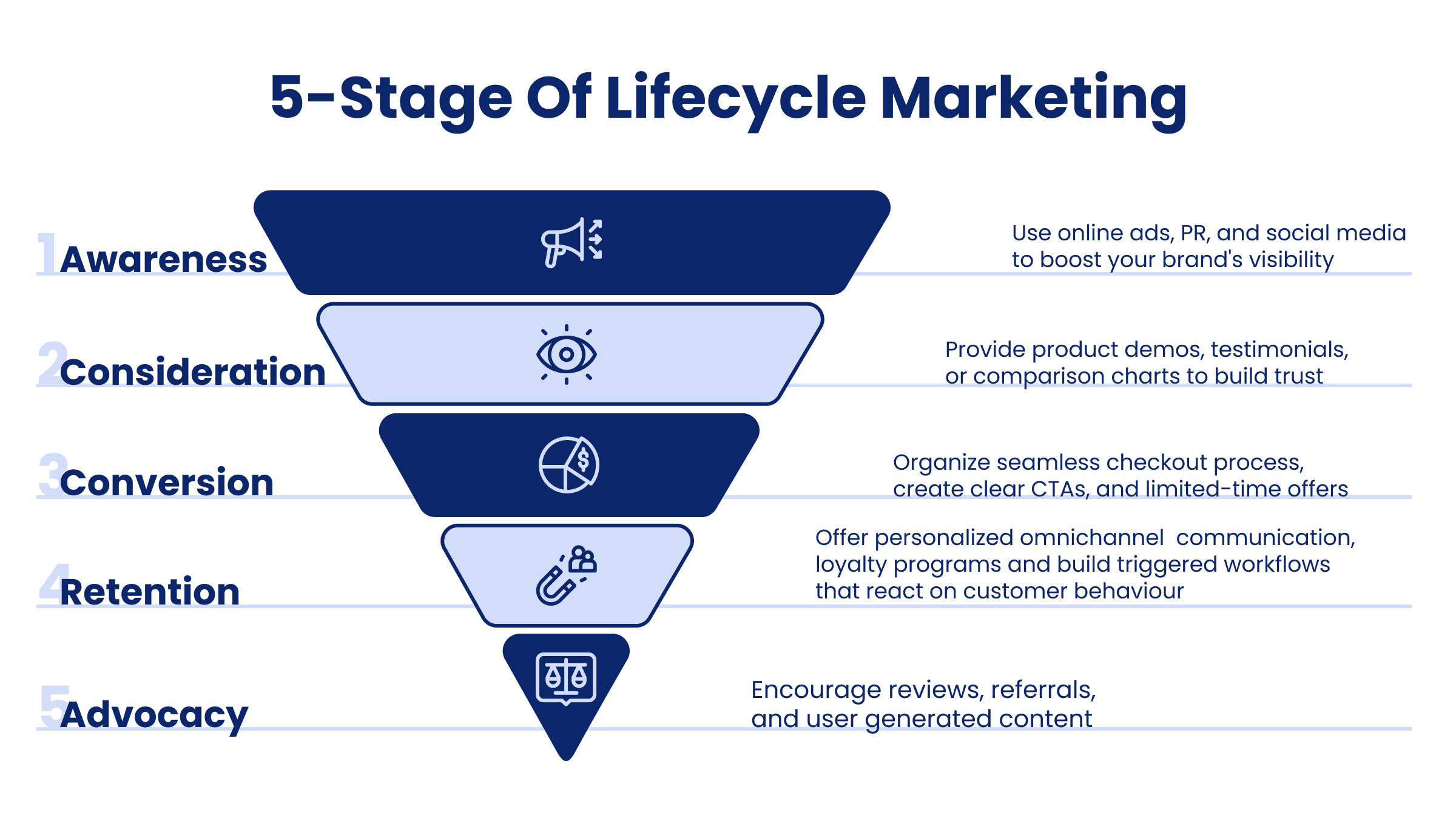
Many ecommerce brands focus heavily on acquisition content while neglecting retention. However, retention and lifecycle content often play a major role in improving profitability and customer lifetime value.
Retention-focused ecommerce content is designed to strengthen the customer relationship after purchase. This may include:
Email marketing platforms like Klaviyo have made lifecycle content increasingly important because brands can now personalise communication based on customer behaviour and purchase history.
As acquisition costs continue rising, retention content is becoming a more valuable growth lever for many ecommerce businesses.
Community and Social Proof Content
Social proof remains one of the strongest psychological drivers within ecommerce marketing. Consumers naturally look for reassurance from other buyers before making purchasing decisions, particularly for products discovered through social media.
Modern ecommerce brands therefore integrate community content heavily into their content strategies. This can include:
Community-driven ecommerce video content often performs well because it combines authenticity with validation. Instead of the brand claiming the product is effective, real users demonstrate the experience themselves.
This also helps reduce the perceived risk of purchasing from newer or lesser-known ecommerce brands.
Why Video Became the Core of Ecommerce Growth
Over the last few years, ecommerce marketing has shifted heavily toward video-first communication. What was once considered an optional creative format has now become one of the central drivers of customer acquisition, engagement and conversion. Across nearly every major platform, ecommerce video consistently outperforms static content in reach, retention and interaction.
This shift has been driven largely by changes in consumer behaviour. Modern audiences consume enormous amounts of short-form content every day, primarily through mobile devices. Platforms built around fast, algorithmic video feeds have trained users to expect constant stimulation, rapid information delivery and highly visual experiences.
As a result, brands that rely too heavily on static creative often struggle to maintain attention within increasingly competitive feeds. While product photography still plays an important role within ecommerce, static images alone are rarely enough to drive sustained engagement across modern paid social ecosystems.
The TikTokification of Ecommerce
One of the biggest changes in digital marketing has been the “TikTokification” of ecommerce. Even platforms that were historically image-focused have gradually evolved toward video-heavy discovery systems.
TikTok accelerated this shift dramatically by proving that short-form video could drive not only engagement, but direct purchasing behaviour at scale. Consumers increasingly discover products through entertainment-led content rather than traditional search behaviour.
This has forced other platforms to adapt aggressively. Meta pushed heavily into Reels, while platforms like YouTube prioritised Shorts to compete for short-form attention. As these algorithms evolved, ecommerce brands had little choice but to adapt their content strategies accordingly.
Modern ecommerce growth is now heavily influenced by platform-native content formats. Brands capable of producing entertaining, educational or creator-style video content often achieve significantly greater reach than those relying on traditional advertising assets.
This shift has also changed the style of ecommerce advertising itself. Many of the highest-performing ads no longer resemble conventional commercials. Instead, they often look like:
The line between entertainment and advertising has become increasingly blurred.
Why Static Images Often Underperform

Static creative still has value, particularly within retargeting campaigns, product pages and catalog-based advertising. However, within cold audience acquisition, static images often struggle to compete against video content capable of capturing attention more dynamically.
Video naturally generates stronger engagement because it combines movement, audio, storytelling and pacing. This creates more opportunities to interrupt scrolling behaviour and retain viewer attention for longer periods.
Modern ecommerce consumers also expect to see products in action before purchasing. A single image may show what a product looks like, but ecommerce video demonstrates:
This becomes especially important for products discovered through impulse browsing on social platforms.
Static images also struggle against the increasing speed of content consumption. Users scrolling rapidly through short-form feeds often process moving visuals more effectively than still graphics. Video therefore creates stronger opportunities to communicate value quickly before attention disappears.
For many ecommerce brands, this has created a major strategic shift away from isolated photoshoots toward continuous video production systems.
Mobile-First Consumer Behaviour
The dominance of ecommerce video is closely tied to mobile-first behaviour. Most consumers now interact with ecommerce content primarily through smartphones rather than desktop devices.
Mobile consumption patterns strongly favour vertical video because it occupies more screen space and integrates naturally into app-based feeds. Platforms have optimised heavily around this behaviour, rewarding content formats that maximise watch time and engagement.
Consumers now spend substantial amounts of time consuming short-form media daily. Research across multiple studies consistently shows that short-form video has become one of the most consumed digital media formats globally.
This has changed how ecommerce brands structure creative entirely. Successful ecommerce video content is now often designed specifically for:
Brands that simply repurpose traditional widescreen advertising often struggle because the content feels disconnected from platform behaviour.
The strongest ecommerce marketers now think platform-first rather than campaign-first. Instead of asking how to distribute an advert everywhere, they ask how content should behave differently on each channel.
Video as a Trust Mechanism
Trust has become one of the most valuable assets in ecommerce, particularly as consumers become increasingly sceptical of online advertising. Video plays a major role in reducing this scepticism because it creates a greater sense of realism and transparency.
Consumers are far more likely to trust products they can see being used naturally by real people. Ecommerce video helps bridge the gap between online browsing and physical product experience by showing:
This is one reason why creator-led ecommerce video often performs so strongly. Audiences perceive creator content as less scripted and therefore more believable than traditional advertisements.
Video also helps brands communicate emotional tone more effectively than static media alone. Facial expressions, voice delivery and natural demonstrations all contribute to stronger emotional connection and audience familiarity.
This has become particularly important for newer ecommerce brands without established reputations. Strong video content can dramatically accelerate trust-building by making the brand feel more human, visible and credible.
For many modern ecommerce businesses, video is no longer simply a creative format. It is now one of the primary mechanisms through which products are discovered, evaluated and trusted online.
The Ecommerce Video Framework
One of the biggest mistakes ecommerce brands make with video content is assuming that good products automatically create good ads. In reality, even strong products often fail to perform if the creative structure itself is weak. Modern ecommerce video is highly competitive, particularly on platforms where users scroll rapidly through enormous amounts of content every day.
The highest-performing ecommerce brands therefore treat video structure very seriously. Rather than filming random clips and hoping something works, they build content around proven frameworks designed to maximise retention, engagement and conversion.
While styles vary across industries, many successful ecommerce video ads follow a similar sequence:
This structure works because it mirrors how consumers naturally process purchasing decisions within short-form environments.
Hook
The hook is arguably the most important part of any ecommerce video. If the opening fails, the rest of the creative rarely matters because users simply continue scrolling.
Modern short-form platforms reward retention heavily, meaning weak openings damage distribution quickly. Brands therefore need to capture attention immediately through movement, curiosity, emotion or direct relevance.
Strong hooks often focus on:
The goal is not necessarily to explain the product instantly. The goal is to stop the scroll.
This is why many high-performing ecommerce video ads begin extremely aggressively compared to traditional advertising. The first seconds often feel faster, louder or more visually dynamic because brands are competing against endless content streams rather than isolated commercial breaks.
Problem
Once attention is captured, the next stage usually introduces a problem or frustration the audience already recognises. This creates emotional relevance and gives viewers a reason to continue watching.
Strong ecommerce marketing often works because it reflects existing consumer frustrations back to the audience clearly. Effective problem framing helps viewers immediately identify themselves within the scenario.
Depending on the product, this could involve:
The key is clarity. Short-form ecommerce video content rarely has time for slow storytelling. The audience should understand the issue almost instantly.
Many successful brands also exaggerate the problem visually because visual communication processes faster than explanation alone.
Demonstration
Product demonstration is where the ecommerce video begins translating attention into buying intent. Rather than simply describing the product, strong creative shows it solving the problem visually.
Demonstration content performs particularly well because modern consumers increasingly want proof rather than claims. They want to see:
This is one reason why creator-style ecommerce content often outperforms polished commercials. Natural demonstrations feel more believable and relatable within mobile-first feeds.
The strongest ecommerce brands usually capture extensive demonstration footage because these assets become valuable across:
Good demonstration footage also increases creative flexibility later during editing and testing.
Proof
Proof strengthens credibility and reduces scepticism. This section of the ecommerce video reinforces that the product genuinely delivers the promised result.
Social proof has become especially important as consumers grow increasingly resistant to advertising claims. Modern audiences want reassurance from external validation rather than brand messaging alone.
Proof can take many forms, including:
Even subtle proof elements can improve performance significantly. A quick customer clip or visible review screenshot often increases perceived trustworthiness dramatically.
This is particularly important for newer ecommerce brands that lack strong brand recognition.
Offer
Many ecommerce brands create engaging videos but fail to communicate a compelling commercial reason to purchase. Attention alone does not guarantee conversion.
Strong ecommerce advertising therefore usually includes a clear offer structure. This does not always mean aggressive discounts, but it does mean communicating why the consumer should act now rather than later.
Offers may involve:
High-performing ecommerce brands often test offer positioning just as aggressively as creative itself because offer strength heavily influences conversion rate and profitability.
CTA
The final stage is the call-to-action. Surprisingly, many ecommerce video ads weaken significantly here because the CTA feels vague, passive or disconnected from the rest of the content.
Strong CTAs are usually:
The viewer should understand exactly what happens next. Whether the goal is purchasing, learning more or signing up, clarity matters.
On platforms like TikTok and Meta, concise CTAs often outperform lengthy explanations because users are already accustomed to rapid decision-making behaviour.
How Winning Brands Structure Videos
High-performing ecommerce brands rarely rely on a single advert format. Instead, they build structured creative systems that continuously test different variations of hooks, pacing, creators and messaging angles.
The strongest brands understand that ecommerce video optimisation is often incremental. Small improvements to retention or click-through rate can significantly improve overall campaign performance at scale.
This is why modern creative testing frequently focuses on isolated variables such as:
Instead of rebuilding entire ads repeatedly, brands iterate strategically around proven frameworks.
Many successful ecommerce brands also structure videos differently depending on funnel stage. Cold audience ads often prioritise aggressive hooks and broad relatability, while retargeting creatives may focus more heavily on proof, objections or urgency.
Why the First 3 Seconds Matter
The first three seconds of ecommerce video content have become critically important because modern platforms distribute content based heavily on retention behaviour.
If users scroll away immediately, algorithms interpret the content as low quality or irrelevant. Poor early retention therefore reduces both reach and efficiency.
This creates a major strategic challenge for ecommerce brands because audiences now make viewing decisions extremely quickly. Users are exposed to enormous amounts of content daily, conditioning them to evaluate media almost instantly.
Strong opening sequences therefore usually prioritise:
Many high-performing ecommerce ads also reveal the product extremely early rather than delaying it. On short-form platforms, excessive buildup often harms performance because users lose patience quickly.
Native Platform Editing Styles
One of the clearest indicators of inexperienced ecommerce advertising is content that feels disconnected from platform culture. Consumers subconsciously recognise when creative feels unnatural within a feed.
Modern ecommerce video therefore increasingly adopts native platform editing styles. Successful ads often resemble creator content rather than traditional commercials.
This includes:
The objective is not to look unprofessional. The objective is to feel familiar within the platform environment.
Brands that understand platform-native behaviour often achieve stronger engagement because the content integrates more naturally into user consumption patterns. This is particularly important within short-form ecosystems where viewers instinctively ignore content that immediately appears overly corporate or aggressively promotional.
The Best Ecommerce Brands Think in Creative Velocity
One of the biggest differences between average ecommerce brands and high-growth operators is the way they think about creative production. Many smaller businesses still approach content like a campaign asset that should last for months. In reality, modern ecommerce advertising moves far too quickly for this mindset.
The strongest ecommerce brands now think in terms of creative velocity rather than isolated ad launches. Their advantage often comes less from producing a single perfect advert and more from producing, testing and iterating content faster than competitors.
This shift has been driven largely by platform behaviour. Paid social algorithms reward freshness, engagement and audience relevance. Even strong-performing ecommerce video ads eventually decline as audiences become fatigued through repeated exposure.
As a result, creative itself has become one of the primary growth bottlenecks within ecommerce marketing. Brands frequently scale successfully until their creative output fails to keep pace with advertising spend.
Testing Volume
Modern ecommerce advertising is heavily driven by testing volume. The more creative variations a brand can launch, the faster it can identify winning messaging, hooks and formats.
This is why many successful ecommerce brands constantly test:
The goal is not simply to produce more content for the sake of activity. The goal is to increase the probability of discovering high-performing creative combinations.
Many brands underestimate how unpredictable ecommerce video performance can be. Small differences in pacing, opening visuals or creator delivery can dramatically influence retention and conversion rates.
This unpredictability is exactly why large-scale testing matters. Strong operators do not assume they know which advert will win. Instead, they build systems designed to discover winners quickly through volume and iteration.
Iteration Speed
Testing alone is not enough. The brands that scale most effectively are usually those capable of iterating quickly based on performance data.
Modern ecommerce advertising environments change rapidly. Audience behaviour shifts, trends evolve and creative fatigue appears faster than many businesses expect. Slow production cycles therefore create major disadvantages.
High-performing brands often analyse creative performance continuously and make rapid adjustments to:
This allows them to refine winning concepts before performance declines significantly.
For example, if a particular ecommerce video hook generates strong watch time but weak conversion rates, the brand may keep the opening while changing the offer or CTA. If another creative drives high click-through rates but poor retention, they may rebuild the structure around a stronger opening sequence.
This iterative process often produces significantly stronger long-term results than repeatedly launching completely new campaigns from scratch.
Creative Throughput
Creative throughput refers to a brand’s ability to consistently generate large amounts of usable content. This has quietly become one of the most valuable operational advantages within ecommerce growth.
Many brands struggle because they treat content creation as an occasional task rather than an ongoing operational system. This often results in inconsistent posting, repetitive ads and periods where campaigns stagnate due to lack of fresh creative.
Strong ecommerce brands instead build production systems designed to sustain output continuously. These systems often include:
The objective is to reduce friction within the content process so new creative can be produced consistently without overwhelming the internal team.
This becomes especially important as brands scale ad spend. Larger advertising budgets typically require greater creative diversity to avoid fatigue and maintain efficiency across broader audiences.
Why “One Winning Ad” Is a Myth
Many ecommerce businesses still search for a single “winning ad” capable of scaling indefinitely. In reality, this mindset often leads to stagnation because no creative performs strongly forever.
Even exceptional ecommerce video ads usually decline eventually as:
The strongest ecommerce brands therefore avoid becoming overly dependent on any individual creative.
Instead, they build creative ecosystems where new variations continuously replace ageing assets. Winning ads are treated less like permanent solutions and more like temporary momentum drivers.
This mindset creates far greater resilience because growth no longer depends entirely on one campaign or one creator.
It also improves long-term advertising stability. Brands with strong creative systems are often able to maintain performance more consistently because they always have fresh concepts entering the testing pipeline.
How Brands Operationalise Content Production
Operationalising content production means turning creative into a repeatable business process rather than relying on occasional inspiration or reactive filming.
Many high-growth ecommerce businesses now run structured production workflows similar to media companies. They plan content strategically, organise production schedules and maintain clear creative pipelines.
This often involves separating content into categories such as:
Each category serves different commercial objectives while contributing to the wider ecommerce content strategy.
Operational structure also allows brands to scale content output more efficiently across multiple platforms and campaigns.
Weekly Creative Cycles
Many modern ecommerce brands now operate around weekly creative cycles rather than occasional campaign launches.
Instead of producing one major advert every few months, they continuously generate and test smaller batches of ecommerce video content every week.
A typical cycle may include:
This creates a much stronger feedback loop between performance insights and future production decisions.
Weekly cycles also reduce creative stagnation because brands are constantly refreshing messaging, visuals and offers before fatigue becomes severe.
Creative Feedback Loops
One of the most important aspects of creative velocity is the feedback loop connecting performance data back into future content creation.
Weak ecommerce content systems often operate blindly. Content is produced, published and forgotten without deep analysis of why certain assets succeeded or failed.
Strong brands analyse creative performance aggressively. They study:
This allows them to identify recurring performance drivers across winning ecommerce video campaigns.
Over time, these insights compound into stronger creative instincts and more effective production systems. Brands become faster at identifying promising concepts because they understand their audience behaviour more deeply.
This feedback-driven approach is one reason why experienced ecommerce operators often outperform businesses relying purely on aesthetics or intuition.
AI Is Changing Ecommerce Content Production
Artificial intelligence is rapidly reshaping how ecommerce brands produce content. Tasks that previously required large creative teams, expensive production cycles or significant editing time can now often be completed far more efficiently using AI-assisted workflows.
This does not mean AI is replacing ecommerce marketers entirely. However, it is dramatically increasing creative speed, lowering production barriers and allowing brands to generate far more content than would previously have been possible.
For many ecommerce businesses, this shift is becoming increasingly important because modern content demands are extremely high. Brands now need:
Producing all of this manually at scale can become expensive and operationally difficult very quickly.
AI tools are therefore increasingly being integrated directly into ecommerce content systems to accelerate production and reduce bottlenecks.
AI-Assisted Scripting
One of the most immediate use cases for AI within ecommerce marketing is scripting and idea generation. Brands can now use tools like OpenAI’s ChatGPT to generate:
This significantly speeds up the ideation process, particularly for brands producing large amounts of ecommerce video content each week.
Instead of starting from blank pages repeatedly, marketers can quickly generate multiple creative directions and refine the strongest concepts manually. This becomes especially valuable during high-volume creative testing cycles where speed matters heavily.
Many ecommerce teams now use AI to generate first drafts before applying brand-specific positioning, tone and performance adjustments afterward.
AI Editing Tools
Video editing has historically been one of the most time-consuming aspects of ecommerce content production. AI-assisted editing tools are beginning to reduce this friction significantly.
Platforms like CapCut and Descript now automate many editing tasks that previously required specialist workflows.
This includes:
For ecommerce brands producing large amounts of short-form content, these tools can dramatically increase creative throughput while reducing editing time.
AI-assisted editing also makes it easier for smaller ecommerce businesses to produce platform-native content without requiring large in-house creative teams.
AI Image Generation
AI image generation is also changing ecommerce creative production rapidly. Tools like Midjourney and Higgsfield allow brands to generate stylised visuals, concepts and campaign imagery far more efficiently than traditional production pipelines.
This is particularly useful for:
Many ecommerce brands are now combining AI-generated visuals with traditional photography and video assets to expand creative variation more quickly.
AI image generation also allows marketers to test visual concepts before committing to expensive shoots or production sessions. This creates greater flexibility during campaign planning and content ideation.
As ecommerce competition increases, brands capable of producing visually distinctive content rapidly may gain a meaningful advantage in crowded feeds.
AI Email and Blog Repurposing
One of the most powerful AI use cases within ecommerce content strategy is repurposing. Modern brands increasingly turn single pieces of media into multiple content assets across different channels.
For example, a single ecommerce video can now often be transformed into:
This dramatically increases content efficiency while reducing production waste.
Many ecommerce operators now build workflows where video transcripts automatically feed into AI-assisted content systems that generate supporting written assets. This creates far more scalable content ecosystems compared to producing every asset manually from scratch.
Repurposing also improves consistency because messaging themes remain aligned across multiple touchpoints within the customer journey.
AI Workflow Automation
Beyond content generation itself, AI is increasingly being used to automate operational workflows across ecommerce marketing systems.
This includes automating:
As ecommerce content volume increases, workflow automation becomes increasingly important because operational complexity grows rapidly alongside production output.
AI-assisted systems can help brands manage larger creative libraries, organise testing insights and streamline repetitive production tasks.
For smaller ecommerce businesses especially, this can create leverage that previously required much larger teams.
What AI Still Struggles With
Despite rapid improvements, AI still has major limitations within ecommerce marketing. One of the biggest misconceptions surrounding AI content generation is the belief that volume alone creates quality.
In reality, AI-generated ecommerce content often struggles with:
Many AI-generated ads sound generic because they rely heavily on predictable patterns and overused marketing language. Without strong human direction, the output can quickly become repetitive or emotionally flat.
AI also struggles to fully understand cultural nuance, audience psychology and emerging platform trends at the same level as experienced operators deeply embedded within ecommerce advertising environments.
This becomes especially obvious in highly competitive sectors where differentiation matters heavily.
Why Operator Taste Still Matters
As AI-generated content becomes more common, operator taste may actually become more valuable rather than less important.
The strongest ecommerce marketers are rarely distinguished purely by technical execution. They are distinguished by judgment:
AI can accelerate production dramatically, but it still requires human decision-making to guide quality effectively.
This is why many of the best ecommerce brands now use AI as an enhancement layer rather than a replacement for strategic thinking. AI speeds up ideation, editing and workflow management, while experienced operators still shape positioning, creative standards and performance direction.
In practice, the most effective ecommerce content systems are increasingly hybrid models that combine AI-assisted production with strong human creative oversight.
Modern AI Tools Used by Ecommerce Brands
Modern ecommerce teams now use a growing ecosystem of AI-assisted tools across content production workflows.
Some of the most widely used platforms currently include:
As these tools continue improving, the barrier to producing high-quality ecommerce content will likely decrease even further. However, the brands that benefit most will still be those capable of combining speed with strong strategic execution.
Content Strategy by Funnel Stage
One of the most common mistakes in ecommerce marketing is treating all content the same. In reality, different audiences require different messaging depending on where they sit within the buying journey. Someone discovering a brand for the first time needs very different communication compared to someone already considering a purchase or existing customers who have already bought.
Strong ecommerce content strategies therefore structure creative around funnel stages rather than producing disconnected assets randomly. This helps brands deliver more relevant messaging, improve conversion efficiency and reduce wasted advertising spend.
Modern ecommerce brands typically divide content into four broad stages:
Each stage serves a different strategic purpose within the wider ecommerce growth system.
TOFU Content — Attention and Discovery
Top-of-funnel content exists primarily to generate awareness and attract new audiences. At this stage, consumers often have little or no familiarity with the brand, meaning the content must compete aggressively for attention.
This is where short-form ecommerce video tends to dominate. TOFU content is usually optimised for:
The strongest TOFU content often feels more like entertainment than advertising. Instead of immediately trying to force conversions, successful brands focus first on capturing interest and building curiosity.
This frequently includes:
Platforms like TikTok have made this style of discovery-based ecommerce marketing extremely important because users are often shown products before actively searching for them.
Creator content performs especially well at this stage because it integrates naturally into short-form feeds. Audiences are generally more willing to engage with personalities, storytelling and platform-native formats than overt product promotion immediately.
TOFU content also plays an important role in feeding retargeting systems. Even if users do not purchase immediately, strong attention-stage content builds audience pools that can later be nurtured through more conversion-focused campaigns.
MOFU Content — Education and Consideration
Middle-of-funnel content targets users who already have some awareness of the product or brand. At this stage, the objective shifts away from pure attention and toward building understanding, trust and purchase intent.
Modern consumers often spend significant time researching products before buying, particularly within competitive ecommerce categories. MOFU content therefore focuses heavily on education and clarity.
This commonly includes:
Educational ecommerce content is highly valuable because it answers objections before they become barriers to conversion. Instead of relying purely on persuasive copy, brands use content to show why the product deserves consideration.
Product demonstrations become particularly important at this stage because consumers want to understand:
Comparison content also performs strongly because buyers frequently evaluate multiple products simultaneously before purchasing. Ecommerce brands that proactively address comparisons often maintain greater control over the buying narrative.
Strong MOFU content also tends to perform well across multiple channels. A single educational ecommerce video may later be reused within:
This increases content efficiency significantly over time.
BOFU Content — Conversion and Decision-Making
Bottom-of-funnel content is designed to convert high-intent users into customers. At this stage, the audience is already familiar with the product and often deciding whether or not to purchase.
The role of BOFU content is therefore to reduce friction, reinforce trust and create urgency where appropriate.
This commonly includes:
Testimonials are particularly powerful because they provide external validation at the exact moment consumers are evaluating risk. Instead of the brand making claims directly, other customers communicate the value and experience naturally.
Offer-driven content also becomes increasingly important here. While discounts are not always necessary, consumers often need a strong commercial reason to act now rather than delaying the purchase.
High-performing ecommerce brands frequently test different offer structures including:
Objection handling is another major component of BOFU content. Consumers close to purchasing often still have unanswered concerns around:
Strong ecommerce video content addresses these concerns directly before they prevent conversion. This is one reason why FAQ-style creatives and creator testimonials often perform strongly within retargeting campaigns.
Retention and Lifecycle Content
Many ecommerce businesses focus almost entirely on acquisition while underinvesting in retention. However, retention and lifecycle content often have a major impact on long-term profitability.
As customer acquisition costs continue rising, increasing customer lifetime value becomes increasingly important. Strong retention content helps brands strengthen customer relationships after purchase while encouraging repeat buying behaviour.
Retention-focused ecommerce content commonly includes:
Onboarding content is especially valuable because it improves customer experience immediately after purchase. Consumers who understand how to use products correctly are often more satisfied and more likely to purchase again later.
Email marketing platforms like Klaviyo have made lifecycle content increasingly sophisticated by allowing brands to personalise messaging based on purchase behaviour and customer segmentation.
Community content also becomes highly valuable during retention stages. Brands that successfully build communities around products often create stronger customer loyalty and more organic social proof over time.
This may include:
Strong retention content ultimately improves the efficiency of the entire ecommerce growth system because retaining existing customers is usually far cheaper than constantly acquiring new ones.
How Ecommerce Brands Should Build a Content Calendar
One of the biggest operational mistakes ecommerce brands make is treating content creation reactively. Posts are often created last minute, ad creatives are rushed and campaigns become dependent on inconsistent inspiration rather than structured production systems.
Strong ecommerce content strategies instead rely on organised content calendars designed around consistency, testing and repurposing. The purpose of a content calendar is not simply scheduling posts. It is creating a predictable system that supports ongoing ecommerce growth.
This becomes increasingly important as brands scale across multiple platforms and channels. Without structure, content production quickly becomes chaotic, repetitive and difficult to sustain.
Content Pillars
Most successful ecommerce brands build their content calendars around a small number of core content pillars. These pillars help maintain consistency while ensuring content serves multiple commercial objectives across the funnel.
Content pillars often include:
This structure prevents brands from overproducing one type of content while neglecting others. For example, some ecommerce businesses create endless promotional ads but very little educational or trust-building media.
Strong content pillars also make ideation significantly easier. Instead of inventing completely new concepts constantly, brands can generate multiple variations within established strategic categories.
Over time, this creates stronger audience familiarity and more consistent messaging across the wider ecommerce content ecosystem.
Weekly Publishing Structure
Many modern ecommerce brands now operate on weekly publishing structures rather than irregular campaign schedules. This creates more consistency while allowing creative testing to happen continuously.
A simple ecommerce content calendar may include:
The exact publishing volume varies depending on resources, but consistency matters more than unrealistic output targets that cannot be sustained long term.
Importantly, strong content calendars separate content by objective rather than platform alone. Instead of simply planning “Instagram posts” or “TikTok videos”, high-performing ecommerce teams organise content around acquisition, education, retention and conversion goals.
This creates a much more strategic approach to ecommerce marketing overall.
Cross-Platform Repurposing
Repurposing has become one of the most important aspects of modern ecommerce content production. The strongest brands rarely create completely separate assets for every platform individually.
Instead, they build systems where single pieces of ecommerce video content can be adapted into multiple formats across different channels.
For example, one product demonstration video may later become:
This dramatically improves production efficiency while increasing the lifespan of valuable content assets.
Cross-platform repurposing also helps maintain messaging consistency across the customer journey. Consumers may encounter the same product narrative through multiple touchpoints before eventually converting.
Modern AI-assisted workflows have made repurposing even more scalable because transcripts, captions and written assets can now often be generated automatically from video content.
Creative Batching
Creative batching is another major operational advantage for ecommerce brands producing content regularly. Instead of filming constantly throughout the week, many brands organise dedicated production sessions where large amounts of footage are captured at once.
This approach improves efficiency significantly because it reduces:
Strong ecommerce brands often film enough product demonstrations, creator clips and supporting footage during one session to generate weeks of content afterward.
Batching also improves creative flexibility because editors have larger asset libraries available when building ads and testing variations later.
As ecommerce video becomes increasingly central to growth, brands capable of building efficient production systems often gain major advantages in both speed and creative volume.
Common Ecommerce Content Mistakes
Despite the growing importance of content within ecommerce marketing, many brands still make predictable creative mistakes that limit performance significantly.
One of the biggest issues is overproduction. Many businesses assume higher production quality automatically leads to stronger results. In reality, overly polished ads often perform poorly within short-form environments because they feel disconnected from native platform behaviour.
Modern consumers are highly accustomed to creator-style media and casual content formats. Ads that immediately feel overly corporate or scripted are often ignored quickly within fast-moving feeds.
Another common issue is generic branding. Many ecommerce brands produce content that looks visually attractive but communicates very little distinctive positioning or emotional relevance.
This often results in interchangeable marketing where the product could belong to almost any competitor.
Weak ecommerce content frequently relies on:
Without strong differentiation, consumers struggle to remember the brand or understand why the product deserves attention.
Low testing frequency is another major problem. Many ecommerce businesses launch a small number of creatives and continue running them for too long without iteration. As creative fatigue develops, performance gradually declines while acquisition costs increase.
High-performing ecommerce brands instead test creative continuously, particularly within paid social environments where audience behaviour changes rapidly.
Ignoring hooks is another frequent mistake. The first seconds of ecommerce video content heavily influence retention and engagement performance, yet many brands still begin ads slowly with logos, cinematic intros or unnecessary buildup.
Modern short-form content rewards speed and immediacy. Weak openings often destroy otherwise strong creative before the product is even properly introduced.
Offer structure also matters far more than many businesses realise. Even engaging ecommerce content may struggle if the underlying offer feels weak or uninteresting compared to competitors.
Strong brands frequently test:
rather than relying on static offers indefinitely.
Another major weakness is the absence of creative analysis systems. Many ecommerce businesses produce content without properly studying why certain ads succeed or fail.
Strong operators analyse:
This feedback loop allows future ecommerce video production to become progressively stronger over time.
Finally, many brands simply fail to capture enough product usage footage. Product demonstrations are one of the most versatile forms of ecommerce content because they can be reused across:
Brands that consistently film products in real-world environments usually maintain much greater creative flexibility long term.
A Realistic Ecommerce Content Workflow for Small Teams
Many ecommerce businesses assume strong content production requires massive internal teams or agency-level infrastructure. In reality, some of the most effective ecommerce content systems today are operated by relatively lean teams using efficient workflows and modern production tools.
The key is not necessarily producing cinematic content constantly. The key is building sustainable systems capable of generating useful creative consistently.
Lean Production Setup
Small ecommerce teams benefit most from lightweight, repeatable production setups. Modern smartphones, creator-style filming and simple lighting setups are often more than sufficient for large portions of short-form ecommerce video production.
This is especially true on platforms like TikTok where authenticity often outperforms highly polished commercial production.
A realistic lean setup may include:
The objective is reducing production friction so content can be created quickly and consistently.
Repurposing Systems
Repurposing becomes essential for smaller ecommerce teams with limited resources. Rather than producing entirely separate content for every platform, strong workflows maximise the output of every filming session.
One creator video may later become:
This dramatically improves content efficiency while reducing production workload.
Repurposing also helps maintain publishing consistency because brands build larger content libraries from relatively small production sessions.
Outsourcing Editing
Many ecommerce businesses now outsource portions of content production, particularly editing. This allows founders and internal teams to focus more heavily on filming, creative direction and strategy rather than spending excessive time inside editing software.
Modern editing workflows are increasingly modular, making it easier to distribute work across freelancers or specialist editors.
Outsourcing often works particularly well for:
As ecommerce content volume increases, editing frequently becomes one of the main operational bottlenecks.
AI-Enhanced Workflows
AI-assisted systems are making lean ecommerce content operations significantly more scalable. Brands can now automate or accelerate many repetitive production tasks using modern AI tools.
This may include:
AI-enhanced workflows allow smaller teams to operate with far greater efficiency while maintaining high creative output.
A realistic weekly ecommerce content cadence for a small team may involve:
Many successful ecommerce brands now operate effectively with relatively small internal teams because they combine lean production systems with outsourcing and AI-assisted workflows strategically.
A common modern ecommerce tool stack may include:
A simple production pipeline often looks like:
The ecommerce brands that scale most effectively are usually not those producing the most expensive content. They are the brands capable of producing, testing and improving content consistently over time.
The Future of Ecommerce Content
Ecommerce content is evolving extremely quickly. What worked even two or three years ago already feels outdated on many platforms, and the pace of change is continuing to accelerate. Consumer behaviour, platform algorithms and AI-assisted production tools are all reshaping how brands attract attention and drive conversions online.
Over the next few years, the gap between brands with structured creative systems and those relying on occasional campaigns will likely widen even further. Content production is becoming faster, more personalised and increasingly integrated directly into ecommerce operations themselves.
One of the biggest developments is the rise of AI-generated creative. AI tools are already capable of producing:
at a scale that would previously have required large internal teams.
While much of the current AI-generated content still feels repetitive or generic, the technology is improving rapidly. Ecommerce brands are increasingly using AI not only to speed up production, but also to generate larger testing libraries across multiple audience segments.
This matters because modern ecommerce growth is increasingly driven by variation and iteration. Brands capable of producing more creative combinations quickly often gain advantages in:
Personalisation is also becoming increasingly important. Modern consumers expect more relevant experiences, particularly as algorithms become better at understanding behavioural patterns and purchase intent.
Future ecommerce advertising will likely become far more dynamic, with brands adapting:
based on audience behaviour in real time.
Rather than showing identical ads to every customer, ecommerce brands will increasingly build systems capable of tailoring content dynamically around different interests, demographics and purchasing behaviours.
Dynamic product content is likely to become a major part of this evolution. Instead of static product pages with fixed media, ecommerce experiences may gradually become more adaptive and interactive depending on the individual viewer.
This could include:
As ecommerce competition increases, these personalised experiences may become increasingly important for improving conversion rates and customer retention.
Creator-commerce hybrids are also becoming more influential. The separation between influencers, creators and ecommerce brands is gradually disappearing as more businesses build growth systems directly around personalities and communities.
Many modern consumers already discover products through creators rather than traditional search behaviour. As a result, creators are becoming increasingly integrated into ecommerce ecosystems themselves rather than simply acting as external promotional channels.
This is one reason why founder-led content, creator partnerships and community-driven ecommerce strategies are continuing to grow in importance.
Interactive shopping content is another area likely to expand significantly over the coming years. Consumers increasingly expect ecommerce experiences to feel engaging rather than transactional.
Short-form commerce, live shopping, interactive product demonstrations and shoppable video content are all examples of how ecommerce is becoming more media-driven overall.
Platforms are increasingly optimising around seamless purchasing journeys where users can discover, evaluate and purchase products without leaving the content environment itself.
For ecommerce brands, this means content and commerce will likely become even more tightly connected over time.
Final Thoughts
Modern ecommerce growth is no longer driven purely by product quality, advertising budgets or visual branding alone. Increasingly, it is driven by creative systems.
The brands performing best today are usually not those producing occasional viral campaigns or highly polished launch videos. They are the brands capable of consistently generating, testing and refining content across multiple stages of the customer journey.
This is why modern content strategy for ecommerce has become far more operational than many businesses realise. High-performing brands now think like media companies. They build structured systems around:
As platforms continue evolving, this operational advantage will likely become even more important. Attention is becoming more competitive, customer acquisition costs remain volatile and creative fatigue continues accelerating across paid social environments.
AI will undoubtedly continue changing ecommerce content production dramatically. However, the brands that benefit most will likely be those capable of combining AI-assisted speed with strong strategic judgment, audience understanding and creative direction.
Tools can improve output efficiency, but positioning, taste and execution still matter enormously.
At Store Surge, the focus is not simply producing more content for the sake of volume. The goal is building scalable ecommerce growth systems that combine:
Because ultimately, brands that win over the next five years will not simply run ads better. They will build better creative systems.
